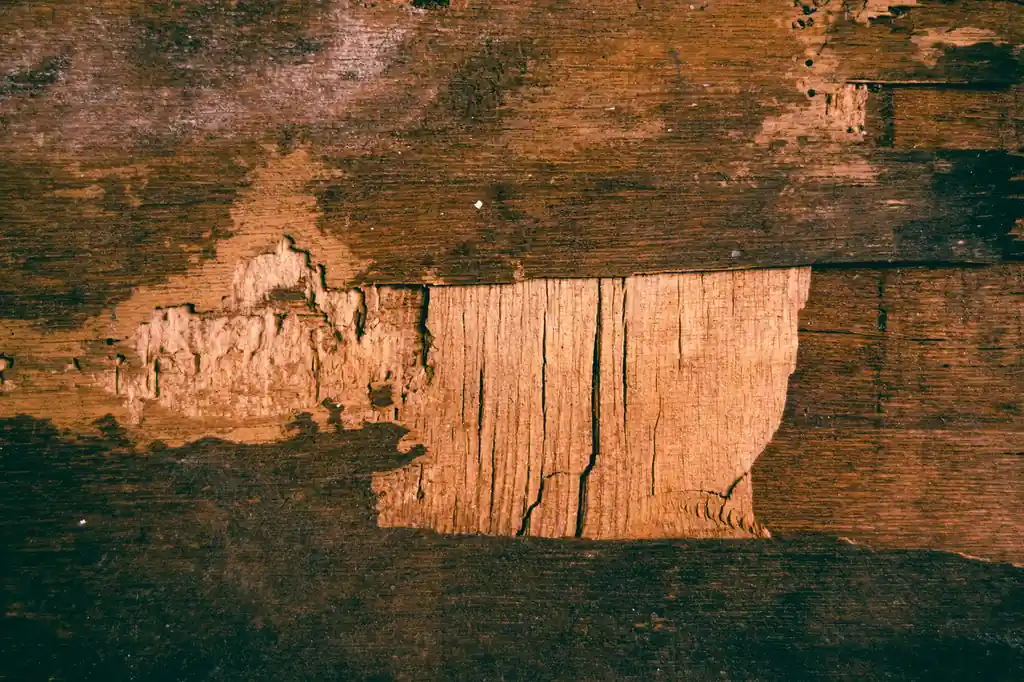
Hardwood floor drying
Hardwood floor drying Marietta GA that saves your floors
When a pipe bursts or a washer overflows, hardwood floor drying Marietta GA is the difference between a sand-and-refinish and a full floor replacement. We pull standing water, dry the boards and subfloor, and monitor moisture until your floors are stable. Homeowners across Cobb County call us because we show up fast and dry floors the right way.
Service overview
What hardwood floor drying Marietta GA really involves
Hardwood floor drying Marietta GA is the controlled removal of moisture from wood flooring, subfloor and the air around them after a leak, overflow or storm. Wood acts like a sponge. When water sits on oak or engineered planks, the boards cup, crown and gap within 24 to 48 hours. We use a pin-type moisture meter to read moisture content in the boards, a thermo-hygrometer to track room humidity, and LGR dehumidifiers with air movers to pull that moisture out before the wood permanently deforms.
Most calls we run in Marietta start the same way: a supply line lets go under a kitchen sink, a water heater fails in a hallway closet, or rain pushes under a door during a Cobb County storm. If you are searching for hardwood floor drying near me Marietta GA at., we answer. Our wood floor water removal Marietta GA service is built for that first 24-hour window, when wet hardwood floor drying in Marietta Georgia still has a real chance of saving the floor.
Practical benefits
Why fast hardwood floor drying pays off
Water damage to hardwood gets more expensive every hour it sits. Here is what fast, professional drying actually buys you in Marietta.
Save the original floor
Dry hardwood within 24 to 48 hours and most solid oak floors can be saved with light sanding instead of full replacement. Wait three days and cupped boards often need to come out. We have dried thousands of square feet of Marietta hardwood that would have been torn out by a general cleanup crew.
Stop mold before it starts
Mold needs 24 to 48 hours of moisture to colonize. Wet subfloor and trapped moisture in ceilings are prime targets. We apply antimicrobial solution where needed and run HEPA air scrubbers so spores do not spread through the house while we dry.
Protect the subfloor too
Water wicks through hardwood into the subfloor and sometimes the concrete slab below. If the subfloor stays wet, boards reabsorb moisture and cup again weeks later. We dry both layers together so the repair holds. That is why our hardwood floor water extraction Marietta GA service always includes subfloor moisture readings.
Keep insurance claims simple
We document moisture readings, take thermal imaging camera photos, and write our scope in Xactimate so your adjuster sees exactly what happened and what it takes to fix it. Clean documentation is the difference between a paid claim and a fight.
How service works
Our hardwood floor drying process
Every job follows the same five steps. You will know what is happening, how long it takes, and what we are watching for at each stage.
STEP 01
Emergency call and arrival
You call, we roll. Our team arrives with truck-mounted extraction gear and moisture meters. We shut off the water source if it is still running, walk the affected rooms with you, and map out where the water traveled. Most Marietta calls get a technician on site within 60 to 90 minutes.
Tools and methods
Tools and methods we use
Pin-type moisture meter
Reads moisture content inside the wood boards and subfloor. We use it to set a dry baseline and track progress every 24 hours until the floor is stable.
Thermal imaging camera
Shows hidden moisture behind walls, under cabinets and below the floor surface. It tells us where water traveled so we dry the whole wet zone, not just the visible part.
LGR dehumidifier (Dri-Eaz, Phoenix Restoration Equipment)
Pulls moisture out of the air so wet wood releases its own moisture faster. Low-grain refrigerant units are the workhorse on most residential hardwood drying jobs.
Floor drying mat
Sits directly on the hardwood and pulls moisture up through the boards without overheating them. Essential for glued-down and engineered floors where air movers alone are not enough.
Injectidry system
Injects dry air directly under glued-down hardwood to reach the subfloor and adhesive layer. This is how we dry floors that cannot be pulled up without destroying them.
HEPA air scrubber and negative air machine
Captures mold spores and fine debris during drying. We run these whenever wall cavities are open or moisture has been present more than 24 hours.
IICRC S500 drying standard
The S500 standard sets the moisture targets and drying conditions we work to on every job. It is why we verify with readings instead of guessing when the floor is dry. Following the standard also means our documentation holds up with insurance adjusters.
Controlled drying with daily monitoring
We dry hardwood slowly and evenly to prevent cracking. Equipment placement is adjusted every 24 hours based on new moisture readings. This is slower than blasting air at the floor, and it is the reason the wood comes back flat instead of split.
Xactimate documentation
We write our scope in Xactimate, the same software most insurance adjusters use. Moisture maps, thermal images and equipment logs go into the file so your claim is processed without back-and-forth. Clean paperwork is part of the job, not an afterthought.
Antimicrobial application
Where moisture sat long enough to raise mold risk, we apply antimicrobial solution to affected areas before drying. This is standard practice on any job where water was present more than 24 hours or where wet drywall is part of the picture.

Where this service fits
When to call for hardwood floor drying
A pipe bursts under the kitchen sink overnight and water spreads across the oak floor into the dining room.
We shut off the water, extract standing water with weighted extraction, pull moisture from between the boards, and set LGR dehumidifiers and air movers across both rooms. Moisture mapping tells us exactly how far the water traveled. Floor dries in three to four days with no cupping. You avoid a full floor replacement and your insurance claim is documented from day one.
A water heater fails in a hallway closet and soaks the hardwood in two bedrooms before anyone notices.
We extract water from both rooms, check the subfloor and wall cavities with a thermal imaging camera, and dry the floor, subfloor and walls together. Equipment runs with daily monitoring. Both bedrooms are back to dry standard in four to five days. Baseboards and drywall stay in place instead of being cut out.
A storm pushes water under a back door and the engineered wood floor starts cupping within 24 hours.
We extract the surface water, use floor drying mats to pull moisture from the engineered planks, and run desiccant dehumidifiers to drop the room humidity fast. Daily readings track the floor back to dry standard. Cupping reverses during drying. You keep the original floor instead of paying for replacement, and the final report backs up your claim.
A toilet supply line leaks slowly for a week before you notice a soft spot in the hallway floor.
We map moisture across the hallway and into the adjacent rooms, extract what we can, and dry the floor and subfloor under controlled conditions. If any board is too far gone, we tell you exactly which ones and why. You get a clear answer on what can be saved and what needs replacing. The dry portion of the floor is protected so the damage does not spread.
Local execution
How hardwood floor drying runs in Marietta
Marietta sits in Cobb County where wet springs and summer storms push water into homes regularly. Older houses in Elizabeth and around the Square have original oak floors over pier-and-beam subfloors, which dry differently than the slab-on-grade builds common in Sandy Plains and Westoak. We adjust our drying plan to the construction, not the other way around. If you need hardwood floor drying in Marietta Georgia after a storm or a burst pipe, we are set up for it. Our trucks carry LGR dehumidifiers, air movers and floor drying mats so we can start the same hour we arrive. We also know the local plumbing quirks: galvanized supply lines in mid-century homes that fail without warning, and slab leaks in newer builds that show up as a warm spot on the floor before any water is visible. That local experience shapes how we find and dry moisture.
East Cobb
Larger homes with multiple hardwood rooms. When water crosses from kitchen to living room, we map the whole path before setting equipment so nothing gets missed.
Fair Oaks
Mix of older ranches and newer builds. We see a lot of original oak over pier-and-beam here, which dries faster than slab but needs careful humidity control.
Sandy Plains
Mostly slab-on-grade construction. Slab moisture moves up into hardwood, so we dry the slab and the floor together with floor drying mats and desiccant dehumidifiers.
Elizabeth
Historic homes near the Square with original hardwood. We are EPA Lead-Safe for pre-1978 construction and take extra care with older finishes.
Westoak
Family neighborhoods with engineered wood floors common in newer builds. Engineered planks need slower drying to prevent layer separation, so we use floor drying mats over air movers.
Wet Georgia springs and summer storms
Rain-driven water gets under doors and through crawlspace vents from March through September. Floors that get wet repeatedly need drying that also addresses the subfloor and crawlspace humidity.
High summer humidity in Cobb County
When outdoor humidity is above 70 percent, wet hardwood dries slower and mold risk climbs. We run LGR dehumidifiers continuously to keep indoor humidity below 50 percent during drying.
Older homes with galvanized plumbing
Mid-century Marietta homes still have galvanized supply lines that fail without warning. When they let go, water often runs behind walls before it reaches the floor, so we always check wall cavities with thermal imaging.
Slab-on-grade foundations
Slab foundations hold moisture and release it upward. Drying hardwood on slab takes longer and requires floor drying mats plus desiccant dehumidifiers to pull moisture from below the boards.
Problems we solve
Problems our hardwood floor drying solves
Water damage to hardwood shows up in predictable ways. Here are the problems we see most in Marietta and how we fix them.
Cupped or warped hardwood floors after a leak
We extract standing water fast, then dry the boards and subfloor together under controlled conditions. Most cupped floors flatten back out during drying if we start within 48 hours. We check moisture every 24 hours and adjust equipment to keep the drying even. Cupping gets worse every day the wood stays wet. Left alone, boards crown, gap and eventually need full replacement at thousands of dollars.
Hidden moisture behind walls and under cabinets
A thermal imaging camera shows us moisture behind walls and under cabinets without tearing anything out. We dry those cavities with directed air and dehumidification so the floor edge gets dry too. No guesswork, no unnecessary demolition. Water you cannot see keeps feeding the floor from the edges. Floors dry unevenly, baseboards swell, and mold starts in the wall cavity within two days.
Wet subfloor that re-wets the floor later
We read subfloor moisture with a pin-type moisture meter at every visit and do not pull equipment until both the boards and the subfloor hit dry standard. On slab foundations we add floor drying mats and desiccant dehumidifiers to pull moisture from below. If the subfloor stays wet, your hardwood reabsorbs moisture weeks after the job and cups again. That is the most common reason a floor drying job fails.
Mold growth from moisture left too long
We apply antimicrobial solution where risk is high, run HEPA air scrubbers during drying to capture spores, and use negative air machines when we open wall cavities. Our IICRC AMRT technicians handle the mold side so you do not need a second contractor. Mold colonizes wet wood and drywall in 24 to 48 hours. Once it takes hold, you are looking at remediation costs on top of drying, plus air quality problems for your family.
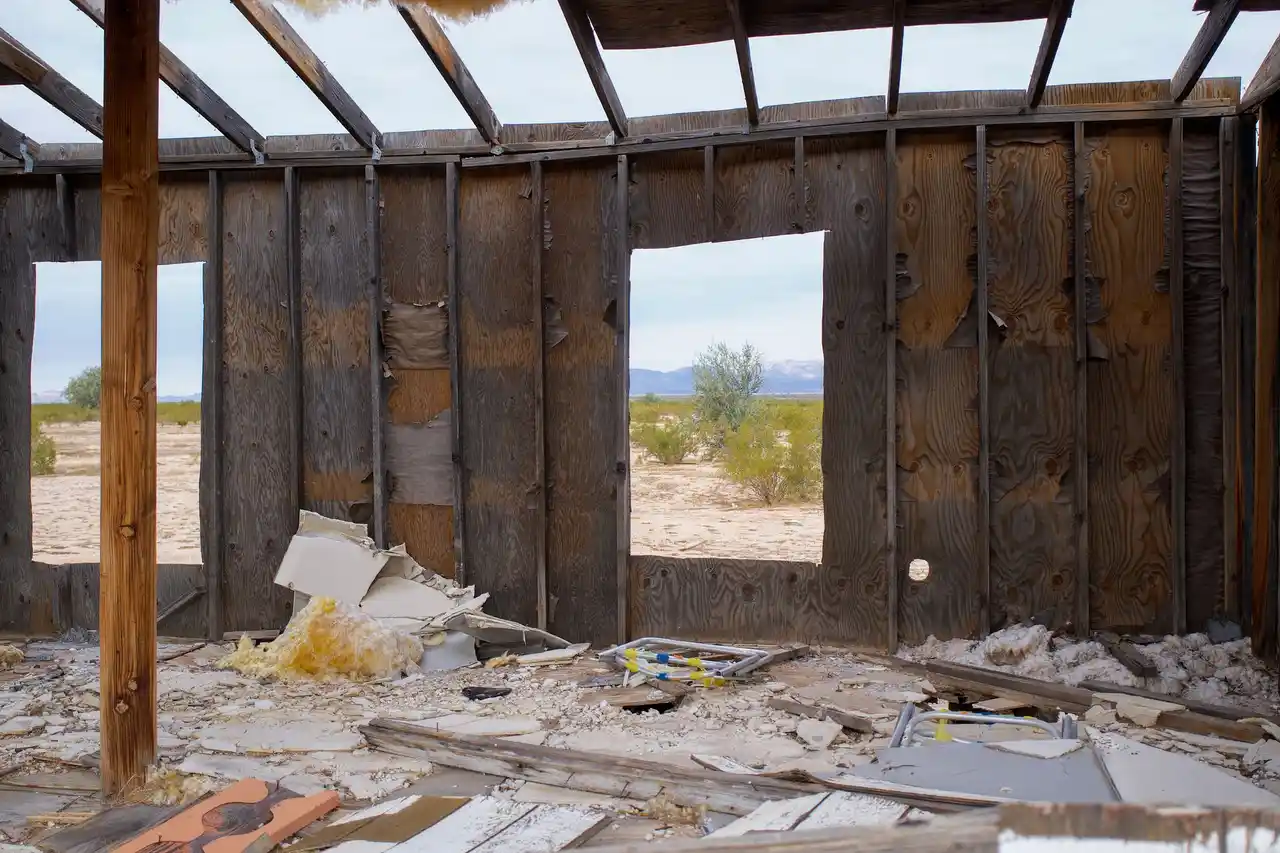
A practical standard for every visit.
Clear planningPrepared arrivalsCareful workLocal follow-through
Experience in the details
Hardwood floor drying expertise you can verify
Our technicians hold IICRC WRT (Water Damage Restoration Technician) and IICRC ASD (Applied Structural Drying) certifications, and several carry IICRC AMRT (Applied Microbial Remediation Technician) for mold-related work. We run Dri-Eaz and Phoenix Restoration Equipment because it holds up on real jobs. We are a Georgia state contractor, EPA Lead-Safe, and members of the RIA. When you hire us for hardwood floor drying, you get technicians who read moisture meters daily and know what a wet Cobb County subfloor looks like under a 60-year-old oak floor.
- IICRC WRT and ASD technicians on every hardwood floor drying job
- Xactimate-trained estimators who write scopes insurance adjusters accept
- Thermal imaging camera and pin-type moisture meter used on every call
- EPA Lead-Safe for pre-1978 Marietta homes with original hardwood
- RIA member company following IICRC S500 drying standards
Where we work
One local team. A lot of ground covered.
Most residential hardwood floor drying jobs in Marietta run the size of the loss in 2026, depending on square footage, how long the water sat, and how many rooms are affected. That covers extraction, equipment, daily monitoring and a final drying report. If you need affordable hardwood floor drying Marietta GA without cutting corners, call us for a estimate at no charge.
Yes, most wet hardwood floors can be saved if drying starts within 24 to 48 hours. Solid oak and maple respond well to controlled drying. Engineered wood is trickier because the layers can separate, but we still save most of it. Floors that have been wet for more than 72 hours or show visible cupping usually need board replacement.
We do. Local Structural Drying Marietta handles wood floor water extraction Marietta GA and hardwood floor drying across Cobb County, including East Cobb, Fair Oaks, Sandy Plains, Elizabeth and Westoak. We are trained, in Georgia, and available. Call 03289293008 and we will dispatch a crew to your address.
Most hardwood floor drying jobs take three to five days. Light water exposure with fast extraction can dry in 48 to 72 hours. Deeper saturation, glued-down floors or wet subfloor push it to five to seven days. We check moisture readings every 24 hours and do not pull equipment until the wood is stable at dry standard.
Keep exploring
Related Services
Your next step is waiting
Need hardwood floor drying Marietta GA right now?
Every hour counts when your hardwood is wet. We are trained, in Georgia, and on call for Cobb County. Call 03289293008 and we will dispatch a crew to your door, usually within 90 minutes.
Start with the basics
Call for water damage drying in Marietta
We answer the phone for water losses across Marietta and Cobb County. Tell us what happened and where the water is, and we will walk you through shutting off the source while a crew heads your way. Most Marietta addresses see us on site within a couple of hours.