Hardwood floor drying versus replacing the boards
Most water-damaged hardwood in Marietta can be dried in place and saved. Here is how we decide which boards stay, which get replaced, and what each path costs in 2026.
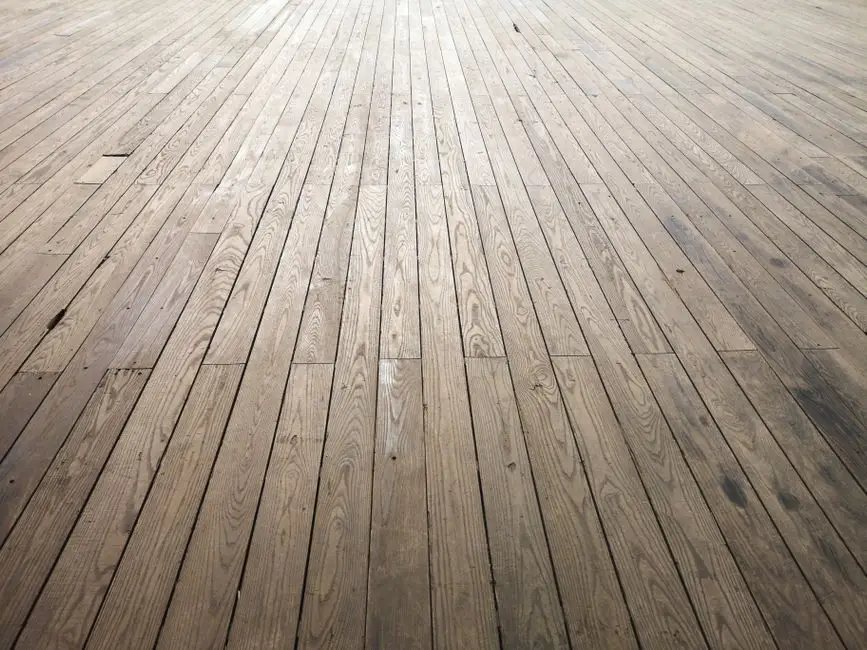
Hardwood floor drying versus replacing the boards comes down to one question: has the wood lost its structural integrity, or is it just wet? If the boards are cupped, crowned, or stained but still solid, we dry them in place and save the floor. If the wood has buckled, delaminated, or sat wet for more than a week, those specific boards get replaced.
Everything below explains how we make that call on real jobs across Marietta, what drying looks like in practice, and what each path costs in 2026.
The short answer: dry first, replace only what fails
Hardwood floor drying versus replacing the boards in Marietta GA is a decision we make with a moisture meter, not a guess. We dry first in almost every case because replacement means matching stain, weave, and board width - and on a 1990s East Cobb ranch, that match is rarely perfect.
Drying saves the floor when the damage is caught within 48 to 72 hours, when the water was clean (supply line, water heater, dishwasher), and when the boards are still flat enough to sand. Replacement wins when the wood has buckled more than 1/8 inch, when the finish has peeled across a whole room, or when the water sat long enough for mold to colonize the subfloor.
Here is the rough split we see on Marietta jobs:
- Dry in place: about 7 out of 10 water losses we handle
- Partial replacement: about 2 out of 10 - usually a 4x8 foot section near the source
- Full room replacement: about 1 out of 10 - almost always a slab leak or a slow leak that ran for weeks
If you are searching for hardwood floor drying Marietta GA because you just found a puddle, call us before you pull up a single board. Pulling boards early can turn a dryable floor into a replacement job.
How we decide: the 48-hour window and moisture readings
We make the dry-or-replace call using three measurements: moisture content of the wood, moisture content of the subfloor, and the gap between the two. A pin-type meter reads the wood; a non-invasive meter reads through the finish without leaving holes.
Healthy hardwood in a Marietta home sits between 6% and 9% moisture content. Most of the year, indoor relative humidity here runs 45% to 60%, and the wood equilibrates to that. After a water loss, we typically see readings of 18% to 30% in the affected area. Anything above 20% needs drying. Anything above 28% for more than a few days usually means the cells have started to collapse.
The 48-hour window matters because hardwood swells across the grain first, then along the length. Cupping - where the edges of each board rise above the center - shows up within 24 to 48 hours. If we start drying inside that window, most cupping reverses as the wood shrinks back. If we start on day five, the cupping has set and sanding may not fully flatten it.
We also check the subfloor. On a pier-and-beam home in Fair Oaks or Westoak, the subfloor is usually plywood or plank, and it dries at a different rate than the oak above it. If the subfloor stays wet, the hardwood re-wicks moisture and you get a second round of cupping. That is why we treat the two together - see our subfloor drying Marietta GA page for how that side of the job works.
When drying saves the floor and when it does not
Drying saves the floor in most clean-water losses caught early. It does not save the floor when the wood has physically failed, and no amount of air movement will bring it back.
Drying usually works when:
- The water was clean - supply lines, ice makers, water heaters, dishwasher drains
- You found it within 48 hours
- Cupping is under 1/8 inch and the boards are still tight at the seams
- The finish is intact or only slightly lifted
- The subfloor is wood, not saturated concrete
Replacement is usually the right call when:
- Boards have buckled - a visible tent or ridge running across the room
- The finish has peeled in sheets or the wood feels soft underfoot
- Water sat for more than 7 days, or you smell that musty, wet-cardboard odor
- The wood is engineered with a thin veneer that has delaminated
- You have a slab leak that soaked the concrete and the wood above it
One more factor: species and finish. Site-finished 3/4 inch red oak - the standard in most Marietta homes built before 2000 - dries and refinishes beautifully. Prefinished engineered flooring with a 2mm veneer often cannot be sanded flat after cupping, so those boards get replaced even if the wood is technically dry.
What hardwood floor drying actually involves
Hardwood floor drying is a controlled process that pulls moisture out of the wood and subfloor using air movement, dehumidification, and sometimes direct heat - not just fans pointed at the floor.
Here is what a typical 200 square foot bedroom job looks like:
- Extraction first. We pull standing water with a weighted extraction unit, then use a subfloor water removal Marietta setup if the subfloor is wet. Skipping this step is the number one reason drying takes twice as long.
- Containment. We set up plastic barriers so we are not trying to dry the whole house.
- Air movers.We place high-velocity air movers at a 45-degree angle to the floor, roughly one per 10 to 15 linear feet of wall. They run.
- Dehumidification. We run commercial LGR dehumidifiers to pull the evaporated moisture out of the air. Without this, the air saturates and drying stalls.
- Daily monitoring. We log moisture readings every 24 hours and adjust equipment placement.
Typical dry time for a single room is 3 to 5 days. A whole first floor with a wet subfloor runs 5 to 7 days. We do not pull equipment until the wood reads within 2 percentage points of a dry reference area in the same house.
After drying, most floors need a light sand and recoat. Some cupping that looked permanent at day one is gone by day five.
What replacement involves and what it costs in 2026
Hardwood floor replacement Marietta GA costs run higher than drying in almost every case, and the gap widens the more floor you have to replace.
Typical 2026 pricing in this area:
- Drying only: the size of the loss for a single room, including equipment, monitoring, and a final moisture report
- Partial board replacement: the size of the loss for a 4x8 foot section, including matching, install, sand, and finish
- Full room replacement: the size of the loss for a 200 square foot room with site-finished oak
- Whole-floor replacement: the size of the loss per square foot installed, depending on species and finish
The wildcard is matching. If your floor is 20 years old and has aged to a warm amber, new red oak will look pink next to it for the first year. We usually recommend weaving new boards into the existing floor and refinishing the whole room so the color blends.
We also handle the drying side of the job when replacement is partial. You cannot install new boards over a wet subfloor - they will cup within a week. So even a replacement job starts with drying. If you are dealing with water that spread beyond the floor into walls, our drywall drying services Marietta team handles that in the same visit.
Common mistakes we see homeowners make
The most expensive mistake is waiting. Every day you wait past 48 hours, the odds of saving the floor drop, and the cost of the job goes up.
Other things we see on Marietta jobs:
- Running box fans and a household dehumidifier. A box fan moves maybe 1,500 CFM. A commercial air mover moves 2,500 to 3,500 CFM and is designed to push air across a wet surface, not into the room. A household dehumidifier pulls 30 pints a day; ours pull 130.
- Turning up the heat. Heat without dehumidification just moves moisture from the floor into the air, where it condenses on cool surfaces and starts mold.
- Pulling up boards to "let it breathe." This damages the tongue-and-groove edges and turns a dryable floor into a replacement.
- Assuming insurance will not cover it. Most homeowner policies cover sudden water discharge. Slow leaks and flooding are usually excluded, but a burst supply line is a covered loss.
- Waiting for the floor to "dry on its own." It will not. Hardwood in a closed house with no dehumidification can stay above 20% moisture content for weeks.
If you are searching for water damage drying Mariettahelp because a pipe let go, get someone out the. The difference between day one and day four is often the difference between a the size of the loss drying job and a the size of the loss replacement.
When to call a professional
Call us when the water touched more than a few square feet, when you cannot see the source, or when the floor has been wet for more than a day. Those three situations almost always need commercial drying equipment.
You can handle a small spill with towels and a fan. You should not try to handle a water heater failure, a supply line burst, or a slow leak under the dishwasher. Those losses put 20 to 50 gallons into the floor and subfloor, and the moisture wicks sideways under the finish where you cannot feel it.
Local Structural Drying Marietta handles hardwood floor drying and dehumidification across Marietta and the surrounding neighborhoods. We bring the meters, the air movers, and the dehumidifiers, and we tell you honestly whether your floor can be saved or whether a section needs to come up. We also work directly with your insurance adjuster and document everything with daily moisture readings.
If you are in Sandy Plains structural drying and dehumidification territory or anywhere else in the Marietta area, we can usually be on site within a couple of hours.
Frequently Asked Questions
Should I dry or replace my hardwood floors in Marietta GA?
Dry them if the water was clean and you caught it within 48 to 72 hours. Replace boards that have buckled, delaminated, or sat wet for more than a week. About 70% of the water losses we handle in Marietta are dried in place and saved.
How much does hardwood floor drying cost in Marietta Georgia?
Typical 2026 pricing runs the size of the loss for a single room, including equipment, daily monitoring, and a final moisture report. Whole-floor drying with a wet subfloor runs the size of the loss depending on square footage and how long the equipment stays.
Who does hardwood floor drying near me in Marietta?
Local Structural Drying Marietta handles hardwood floor drying, subfloor drying, and post-loss dehumidification across Marietta, East Cobb, Sandy Plains, Fair Oaks, Westoak, and Elizabeth. We are set up for response and carry commercial drying equipment on every truck.
Can warped hardwood floors be saved in Marietta GA?
Cupped floors - where board edges rise above the center - can usually be saved if drying starts within 48 hours. Buckled floors, where boards have lifted off the subfloor in a ridge, usually cannot. We meter the wood and tell you which one you have before we start.
How long does hardwood floor drying take?
A single room takes 3 to 5 days. A whole first floor with a wet subfloor takes 5 to 7 days. We monitor moisture daily and do not remove equipment until the wood reads within 2 percentage points of a dry reference area in the same home.
Get help with Structural drying and dehumidification in Marietta
If your hardwood is wet right now, the clock is running. We can be on site today, meter the floor, and tell you whether it can be dried or whether a section needs to come up.
Call Local Structural Drying Marietta at 03289293008for hardwood floor drying and dehumidification across Marietta and Cobb County.